12th international
conference
on
Smart & Sustainable Technologies
ORGANIZED BY


PREVIOUS SPONSORS




















































SUPPORTERS



Authors Info
SpliTech 2027 invites original, high-quality papers on smart and sustainable technologies, from AI and energy to health and smart cities. Papers can be submitted to the technical or the professional program through the EDAS conference management system. Accepted papers will be published in the SpliTech 2027 Conference Proceedings.
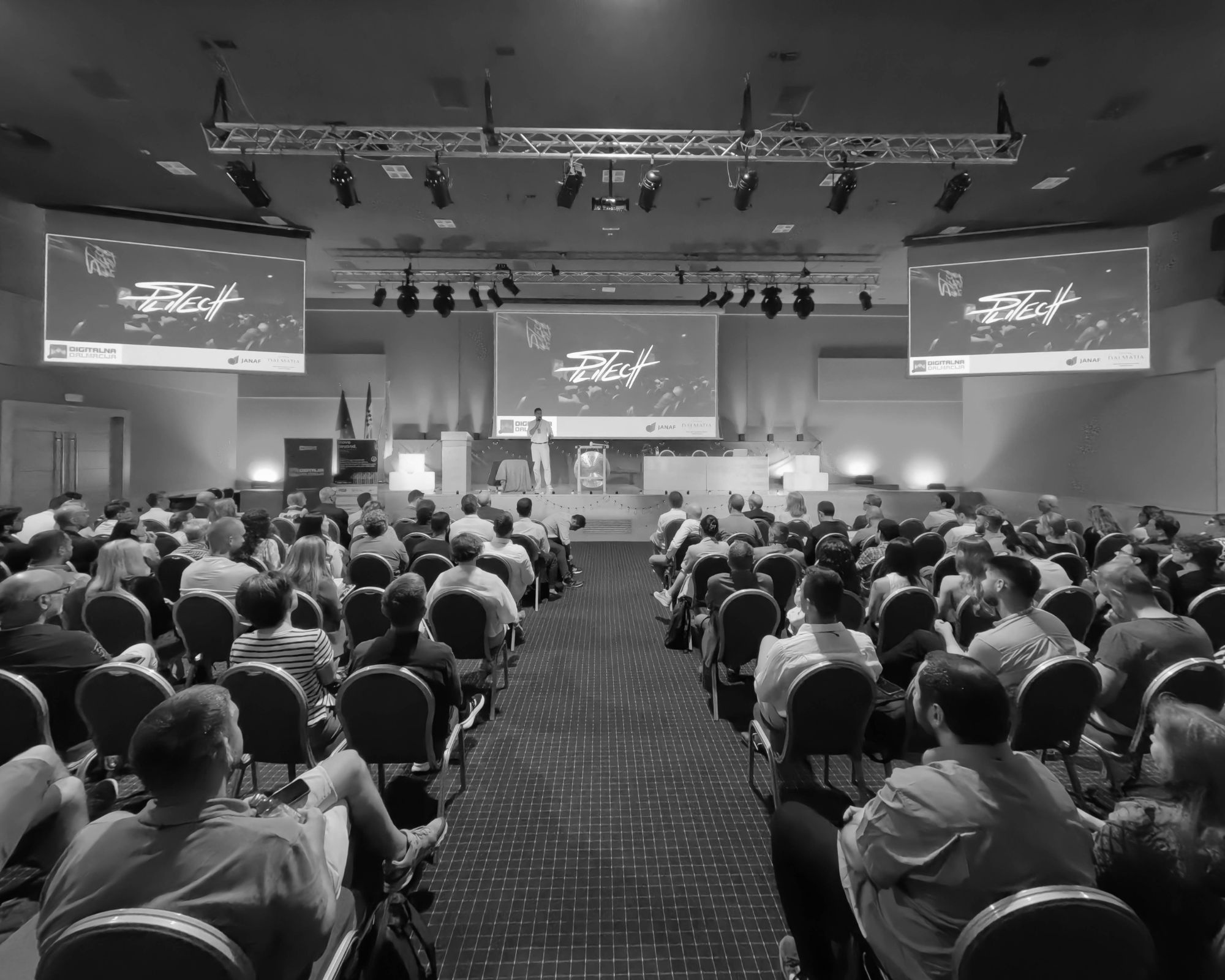

About the event
University of Split (FESB) is organizing a 4-day scientific/professional/industry conference that will take place in Bol (island of Brač) and Split (Croatia), June 14-17, 2027. Participants are encouraged to submit proposals related to the fields of the topics: Health, Smart Cities, Energy, with a special focus on cross applications of AI.
Keynote

Keynote Speaker
Liaoning Normal University, China
From Lesion to Decision: AI-Powered Medical Image Analysis and Its Emerging Applications
Symposia, sessions, workshops & tutorials
Symposium
Originally rooted in RFID research, the International Symposium on RFID, Electromagnetics, and Electronics for IoT Devices has progressively expanded to embrace a broader spectrum of electromagnetic and electronic technologies.
Originally rooted in RFID research, the International Symposium on RFID, Electromagnetics, and Electronics for IoT Devices has progressively expanded to embrace a broader spectrum of electromagnetic and electronic technologies. Organized within the framework of the International Conference on Smart and Sustainable Technologies (SpliTech), the symposium provides a dedicated forum for hardware-oriented research spanning RFID, antennas, RF and microwave circuits, electromagnetic systems, and enabling technologies for IoT and wireless applications.
The symposium is co-sponsored by the IEEE Council on RFID and the IEEE Communications Society and focuses on the physical and technological building blocks that enable identification, sensing, wireless communication, and interconnected electronic systems.
Its aim is to highlight recent scientific advances, innovative concepts, and experimental developments in RFID, electromagnetics, and electronics, with particular emphasis on hardware design, implementation, and validation. Contributions addressing both theoretical and applied aspects are welcome, provided they demonstrate a clear connection to hardware-level challenges and solutions.
Particular attention is devoted to RF and microwave circuit design, antenna technologies, integrated hardware solutions, co-design methodologies, and optimization strategies aimed at improving system performance, reliability, efficiency, and scalability.
By bringing together researchers, engineers, and practitioners from complementary disciplines, the symposium encourages the exchange of ideas, discussion of emerging challenges, and development of collaborations across the RFID, electromagnetics, and electronics communities.
Symposium
The International Symposium on Internet of Things is organized in the frame of the 11 th International Conference on Smart and Sustainable Technologies (SpliTech 2026), technically co- sponsored by the IEEE Communication Society (ComSoc), will be held in Bol and Split, Croatia, June 23-26, 2026.
The International Symposium on Internet of Things is organized in the frame of the 11 th International Conference on Smart and Sustainable Technologies (SpliTech 2026), technically co- sponsored by the IEEE Communication Society (ComSoc), will be held in Bol and Split, Croatia, June 23-26, 2026.
The main goal of the Symposium is to present and discuss recent advances in the area of the Internet of Things, Embedded systems, Intelligent Systems and Smart Environments that are becoming research topics more and more interesting for both academia and industry. This symposium will provide an opportunity for scientists, engineers and researchers to discuss new applications, design problems, ideas, solutions, research and development results, experiences and work-in-progress activities in this important technological area.
Special session
A future ‘Smart Distributed Electrical Energy Network’ will serve as a dynamic network for multi-directional energy flows, linking widely distributed small capacity intermittent renewable energy systems at consumer level (distribution network) and centralized higher-capacity power generators, facilitating active participation of customer choice for demand side management, energy production / storage, and providing real-time information on the performance and optimal operation of the smart electrical energy network.
A future ‘Smart Distributed Electrical Energy Network’ will serve as a dynamic network for multi-directional energy flows, linking widely distributed small capacity intermittent renewable energy systems at consumer level (distribution network) and centralized higher-capacity power generators, facilitating active participation of customer choice for demand side management, energy production / storage, and providing real-time information on the performance and optimal operation of the smart electrical energy network. In this special session, high quality research articles are invited on the following topics:
Intelligent integration of renewable energy sources within the distributed network.
Machine learning techniques for load and generation predictions, and for operation and control.
Distributed network interaction performance of renewable energy systems (e.g. solar photovoltaic system, fuel cells, distributed generators), power conditioning devices for intelligent integration of renewable energy systems.
Demand side management, control and operation of distributed generators.
Energy storage (e.g. battery, hydrogen, etc.) within the distributed network.
Smart micro-grid architecture (AC as well as DC micro-grid).
Impact of electric vehicles charging management on distributed network.
Techno-economics of distributed generators.
Energy pricing systems for promotion of smart distributed network.
Special session
Human intelligence and emerging technologies, such as AI, agentic IoT, and Digital Twins, bring complementary strengths to address complex societal and environmental challenges.
Human intelligence and emerging technologies, such as AI, agentic IoT, and Digital Twins, bring complementary strengths to address complex societal and environmental challenges. While AI excels at processing large amounts of data, identifying patterns, and generating recommendations, humans contribute contextual knowledge, critical thinking, values, and collective judgement. Humanized Computing brings these capabilities together through Human-AI Collaboration, Citizen Science, and Reciprocal Learning, enabling people and intelligent systems to learn from each other and make better decisions. Moving beyond human-in-the-loop approaches, this vision explores how citizens, communities, and AI systems can share decision-making responsibilities, negotiate autonomy levels, and co-govern sustainability transitions.
At SpliTech 2027, the Special Session Humanized Computing: Human-AI Collaboration and Co-Governance for Sustainability will explore how these synergies can support more inclusive, transparent, accountable, and sustainable decisions.
Key themes include:
→ Combining Citizen Science, Collective Intelligence, and emerging technologies to support participatory decision-making.
→ Exploring Reciprocal Learning, Human-AI collaboration, and adaptive levels of autonomy and AI delegation.
→ Designing community-in-the-loop governance approaches that ensure human agency, transparency, and accountability.
→ Co-creating solutions for sustainability challenges, including climate action, air quality, sustainable mobility, and resilient communities.
Workshop
Useful insights from journal Editors
‘Publish or perish’ is a phrase that describes the pressure put on academics to publish in scholarly journals rapidly and continually as a condition for employment (finding a job), promotion, and even maintaining one’s job as defined by Imad A.
‘Publish or perish’ is a phrase that describes the pressure put on academics to publish in scholarly journals rapidly and continually as a condition for employment (finding a job), promotion, and even maintaining one’s job as defined by Imad A. Moosa in his monograph from 2018. In the Oxford Dictionary of Phrase and Fable,Fable,‘publish or perish’ is used to refer to an attitude or practice existing within academic institutions, whereby researchers are put under pressure to produce journal publications in order to retain their positions or to be deemed successful. The POP issue is primarily relevant to those working in academic institutions (called academics, academic researchers, or just researchers). However, some of the aspects of POP discussed in this workshop are relevant to non academic personnel who also seek publications because they are expected to publish, such as those working in medical laboratories, central banks and international organizations ( WHO, IMF, BIS, etc). This is a condensed description of how important are publication activities. This has been already widely practiced by world leading universities in the past century, however with the nearly exponential growth of researchers and also scientific journals becomes one of the key issues.
This panel session gathered a wide range of editors serving a variety of journals and world leading publishers to be available to share their experience with the attendees. The topics to be discussed cover at least briefly: writing a potential successful scientific manuscript, selection of a right journal and their metrics, various types of paper submission, selecting and using the right references, similarity and plagiarism, correct novelty reasoning and presentation of the proposed methods and the results, proper conclusions writing, how to handle the reviewing process, final proofing, presentation and promotion of the published paper. Examples of successful publications will be given, with analysis of the features leading to their high impacts. The panels session is going to be followed by dedicated consultations of specific and individual features with close interaction with the audience.
Tutorial
The Tutorials on human exposure to electromagnetic fields based on the book, D.
The Tutorials on human exposure to electromagnetic fields based on the book, D. Poljak, M.Cvetkovic, Human Interaction with Electromagnetic Fields; Computational Models in Dosimetry, Elsevier 2019, some relatively recent journal/conference papers and presenters' activities in IEEE ICES SC6 Working Groups and IRPA NIR task group have been traditionally held during SplitTECH meetings for years. These Tutorials deal with various aspects of human exposure to electromagnetic fields (EMF) covering not only the undesired exposure from artificial sources, but also the biomedical applications of electromagnetic fields. Furthermore, these Tutorials are mathematically highly intensive and are generally adapted for selected audience - senior researcher in the area, postdocs and PhD students.
The purpose of this year Tutorial edition is to make EMF exposure simple offering an easy guide to this topic for appreciably broader audience by omitting rigorous mathematical/physical language and acceptable for everyone interested in the subject. Such an approach partly follows the style of some papers published by the authors in Journal Replica and numerous interviews given in the media for decades.
The rationale for such a format is manifold. Primarily, some important information is expected to easily meet the public and provide explanation on this hot topic being of general interest for decades. Also, nowadays many professionals, provided they are not specialists in numerical modeling, widely use commercial software packages thus treating underlaying theory and computational techniques as black box. So, in both cases the focus is on basic concepts, the known health effects, the results and the actual national/international exposure limits.
The Tutorial keeps the basic structure addressing some general environmental aspects of electromagnetic fields, coupling mechanisms between human body and EMFs, well- established biological effects of EMFs from static to high-frequency range, international safety guidelines related to limiting exposures to those fields, including relevant exposure limits, basic electromagnetic-thermal dosimetry concepts and some recent findings pertaining to activities undertaken within the framework of IEEE ICES working groups, which Tutorial presenters participated (WG2, WG3, WG5 and WG7) and IRPA TG NIR will be reported. Real world scenarios pertain to power lines, transformer substations, PLC systems, RFID antennas, Wireless Power Transfer (WPT) systems and radio base stations (2G/3G/4G and 5G technology).
Illustrative computational examples pertain to typical realistic exposure scenarios, such as; pregnant woman/foetus exposed to low frequency (LF) fields, the human eye, the brain, the eye and the entire human head exposed to HF radiation. In particular, for exposure within GHz frequency range, several tissue models, from rather simple to more realistic, will be addressed.
The obtained results for relevant EMF quantities are compared against exposure limits proposed by ICNIRP (International Commission on Non Ionizing Radiation Protection). This is followed by some examples of biomedical applications of electromagnetic fields, including the transcranial magnetic stimulation (TMS), transcranial electrical stimulation (TES), but also some electrotherapy and magnetotherapy techniques. Also, some illustrative examples pertaining to thermal modeling of certain ophthalmological procedures will be given.
Tutorial
The Tutorial on multiphase flows with particles for health applications is based on a series of recent peer-reviewed journal publications and conference contributions addressing advanced numerical modeling of particle-laden flows, with particular emphasis on respiratory applications and biologically relevant particles.
The Tutorial on multiphase flows with particles for health applications is based on a series of recent peer-reviewed journal publications and conference contributions addressing advanced numerical modeling of particle-laden flows, with particular emphasis on respiratory applications and biologically relevant particles. The presented work builds upon systematic extensions of the classical point-particle tracking framework toward more realistic non- spherical, inhomogeneous, colliding, and deformable (soft) particles.
Humans inhale more than 100 million airborne particles daily, including possibly mold spores, silica dust, volcanic ash, asbestos fibers, exhaust residues, and pollen, many of which pose serious health risks. Public health concerns related to inhaled particles have long been recognized, from cigarette smoke and asbestos exposure to microplastics and infectious aerosols. At the same time, inhaled drug particles are used in medical therapies, for example to treat respiratory diseases, where controlled deposition is crucial for treatment efficiency.
While aerosols are commonly modeled as spherical, most real-world particles (whether harmful or therapeutic) exhibit complex, non-spherical shapes and may even be deformable, making their motion and deposition significantly more complex. Traditionally, numerical simulations assume rigid, homogeneous, spherical particles and simplified collision physics. Although computationally efficient, such assumptions limit predictive accuracy in realistic health-related scenarios. The purpose of this Tutorial is therefore to provide a structured and accessible overview of advanced particle modeling strategies that go beyond the classical spherical paradigm, while avoiding unnecessary mathematical formalism.
The purpose of this Tutorial is to offer an accessible guide to modern particle modeling approaches, focusing on conceptual clarity and practical relevance rather than detailed mathematical derivations. The Tutorial keeps a coherent structure addressing the governing equations of particle motion, limitations of spherical models, and systematic extensions toward superellipsoidal rigid particles, inhomogeneous particles, advanced collision models and soft particles. Special attention is devoted to orientation dynamics, shape-dependent forces and torques, and the development of a collision model for non-spherical particles. A central part of the Tutorial concerns the extension of the point-particle framework to soft (deformable) particles via a pseudo-rigid-body approach based on affine deformations.
Real-world scenarios pertain to particle transport and deposition in the human nose and lungs, including simulations of non-spherical asbestos-like fibers, irregular microplastic fragments, and deformable particles in respiratory flows. The influence of particle shape, orientation, collision physics, and deformability on deposition patterns and potential health outcomes will be illustrated through representative computational examples.
Tutorial
In numerical analysis, the most popular method is the finite element method (FEM).
In numerical analysis, the most popular method is the finite element method (FEM). However, more and more researchers pay attention to meshless methods. The methods have been applied for the analysis of many scientific and engineering problems in the literature. A special group of these meshless methods is the collocation-based methods. In these methods, the initial or boundary conditions and, sometimes, the governing equations can be satisfied by enforcing them at selected points in the domain, called collocation points. In such a way, the unknown coefficients of the assumed approximate solution are determined. When the boundary value problem is considered, the governing equation is satisfied by the trial function in the approximate solution, and only the boundary conditions are satisfied by collocation, then this approach is called the boundary collocation technique in the literature.
The Trefftz method was proposed in 1926 by Erich Trefftz at a conference in Zurich. The approximate solution takes the form of a linear combination of trial functions that satisfy the governing equation describing the considered problem exactly. In special cases, the test functions in the Trefftz method (Trefftz functions) also satisfy some of the boundary conditions. This variant of the Trefftz method is referred to in the literature as the Trefftz method with special-purpose Trefftz functions.
Another example of a collocation-based meshless method is the method of fundamental solutions (MFS), which is a special kind of the Trefftz method. In the MFS, the approximate solution is a linear combination of fundamental solutions, which are functions of the distance between any point inside the considered domain and the source point located outside the domain, on a so-called pseudo-boundary (or fictitious boundary). The unknown coefficients are determined using the boundary collocation technique. The MFS is quite easy to implement, and the main question in the method is how to distribute the source points (i.e., what should be the shape of the pseudo- boundary and the distance between the pseudo-boundary and the considered domain). The MFS was proposed in 1964 by Kupradze and Aleksidze.
The Kansa method (or the global radial basis function collocation method) is the newest method among the meshless methods considered. It was proposed in the early 1990s by Edward J. Kansa. In this method, the approximate solution is expressed as a linear combination of radial basis functions. This method differs slightly from the two previously described methods because the test functions (radial basis functions) used in it do not satisfy the differential equation describing the problem. Therefore, the unknown coefficients of the approximate solution are calculated by collocation of both the differential equation (at a finite number of points within the area under consideration) and the boundary conditions (at a finite number of points located at the boundary of the area).
During this tutorial, some selected examples of the MFS and RBF application for solving thermal problems will be presented. The first problem concerns fluid flow and heat transfer through a straight tube with smooth and sharp fins. The other example is an inverse problem. Application of this method for the identification of the blood perfusion coefficient. The examples presented will include a mathematical description of the problem under consideration, an algorithm for solving it using meshless methods, and some numerical examples.
Tutorial
Artificial intelligence is becoming a central component of modern digital infrastructure, yet the rapid growth of machine learning models raises important questions about computational cost, energy consumption, and long-term sustainability.
Artificial intelligence is becoming a central component of modern digital infrastructure, yet the rapid growth of machine learning models raises important questions about computational cost, energy consumption, and long-term sustainability. At the same time, concepts emerging from quantum computing are inspiring new algorithmic approaches that may enable more efficient representations and processing of information.
This tutorial introduces the fundamentals of quantum computing and quantum-inspired machine learning to a broad technical audience with no prior background in quantum technologies. The first part of the tutorial provides an accessible overview of the basic principles of quantum information, including qubits, quantum gates, and quantum circuits, together with a discussion of the current state of quantum hardware and the challenges that remain before large-scale quantum advantage can be achieved.
The second part focuses on quantum-inspired techniques that can already be applied on classical computers, such as tensor network methods and other representations originating from quantum many-body physics. These approaches have recently shown promising results in machine learning tasks including anomaly detection, pattern recognition, and efficient representation of high-dimensional data. Emphasis will be placed on how these methods can enable compact model representations and compression of neural networks, potentially reducing the computational and energy footprint of modern and real-time AI systems.
Finally, the tutorial will discuss emerging directions where quantum technologies may contribute to sustainable technological development. These include applications such as optimization of energy grids and large-scale infrastructure, discovery of new materials for batteries, and optimization problems in logistics and transportation systems.
The tutorial concludes with an outlook on how quantum and quantum-inspired computing could become part of future sustainable computing ecosystems.
Don't miss anything
Journals
Committee
 General Chair
Diego López-de-Ipiña González-de-Artaza
University of Deusto, Spain
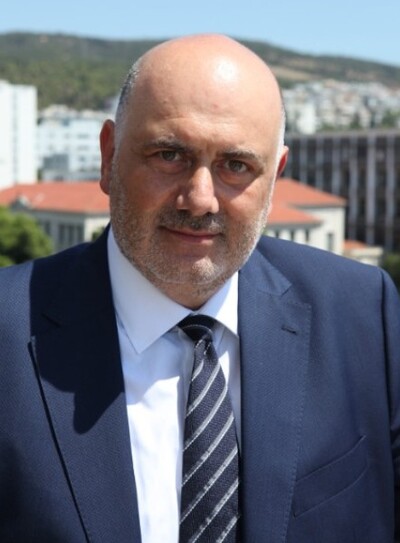 General Chair
Agis Papadopoulos
Aristotle University of Thessaloniki, Greece
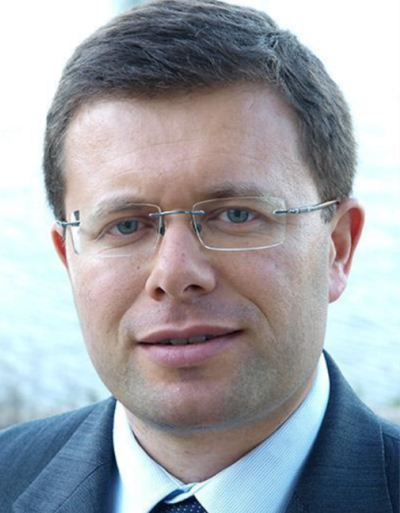 TPC Chair
Joel Rodrigues
Senac Ceará, Brasil
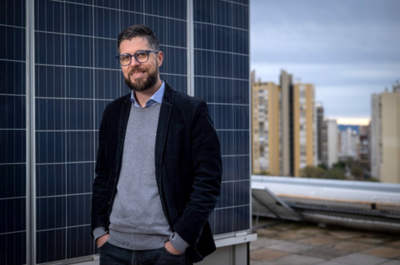 TPC Chair
Sandro Nižetić
University of Split, Croatia
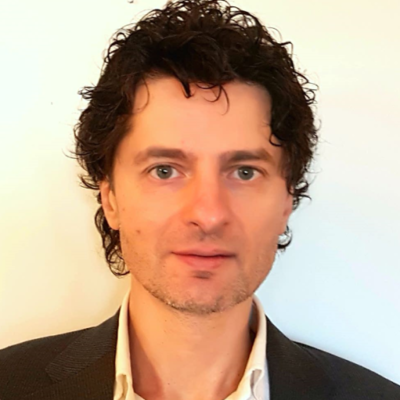 Industry Workshop Co-Chair
Luca Catarinucci
University of Salento, Italy
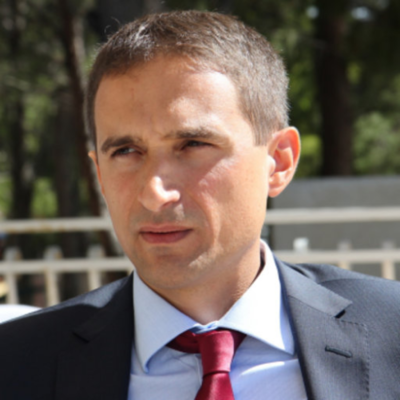 Industry Workshop Co-Chair
Luigi Patrono
University of Salento, Italy
 AI Area Chair
Dubravko Ćulibrk
University of Novi Sad, Serbia
 eHealth Area Chair
Liming Chen
Dalian University of Technology, China
 Publicity Chair
Solange Rito Lima
University of Minho, Portugal
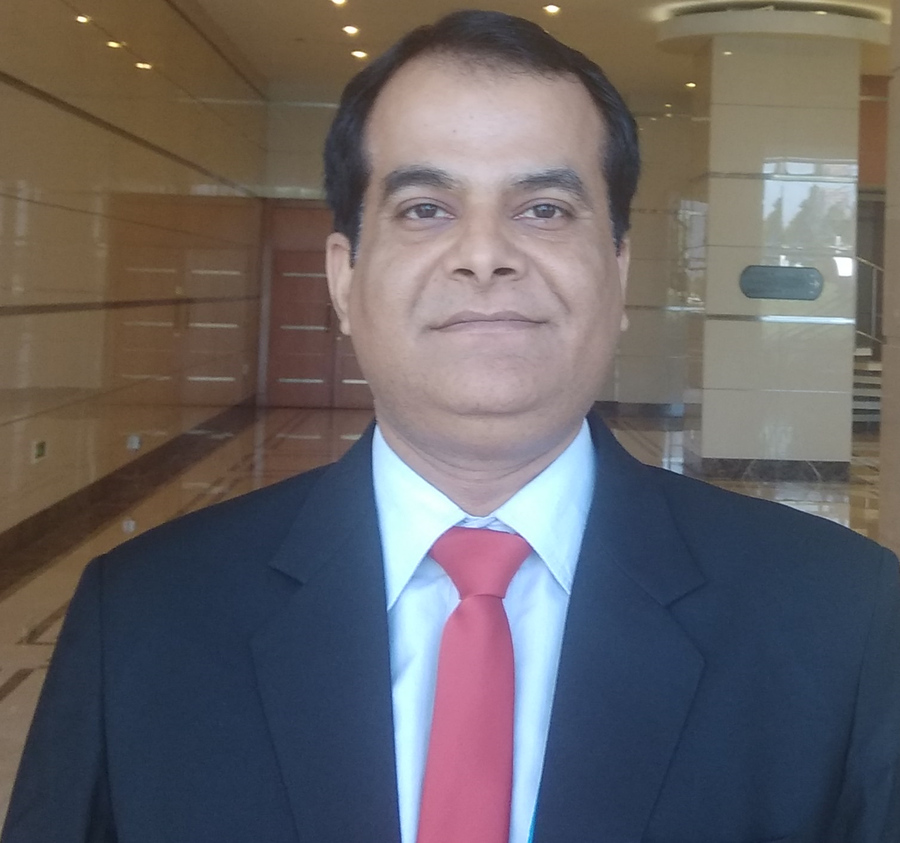 Publicity Chair
Sudeep Tanwar
Nirma University, India
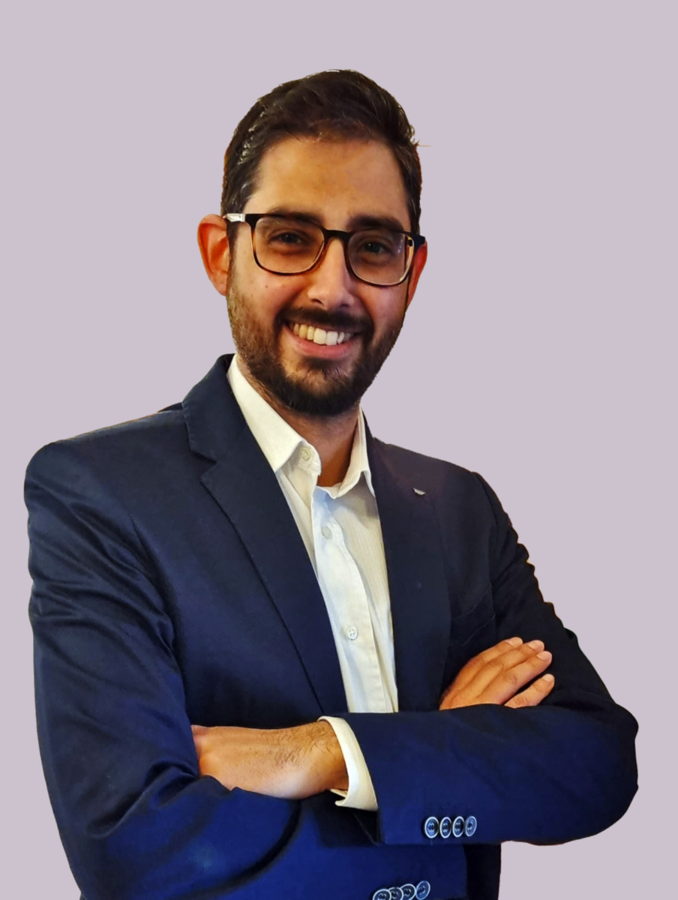 Publicity Chair
Francesco P. Chietera
Polytechnic of Bari, Italy
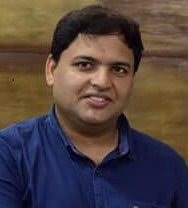 Publicity Chair
Deepak Gupta
Maharaja Agrasen Institute of Technology, Delhi, India
 Publicity Chair
Nuno Vasco Lopes
University of Minho, Portugal
 Publicity Chair
Lingling Fang
Liaoning Normal University, China
 Doctoral Symposia Chair
Diego Casado Mansilla
University of Deusto, Spain
Previous editions